
Sequence Of Courses
Sequence Of Courses - Make our pathway work for you. This, in turn, helps students be more successful in. You cannot take a prerequisite. You can start the sequencing of your content with the help of a. It is further the policy of the united states that in order to ensure adequate and reliable electric generation in america, to meet growing electricity demand, and to address the. The typical sequence of math courses in high school follows this order: The three primary components of a course are the learning objectives, assessments and instructional strategies. When a course is properly sequenced, each module builds on the module before it in a “learn to drive first, then enter the freeway” fashion. It helps instructors identify overarching topics and themes, as well as how the. Curriculum sequencing refers to the intentional organization and order of instructional content within a curriculum. The scope and sequence articulates how the high school program is organized in bundles of performance expectations used to design a target unit, how the. Each major within the department of allied health sciences has a specific suggested sequence of courses to help you ensure that all major and graduation requirements are met. Course sequences vary widely in history because of our flexible major requirements. An organized sequence of courses leading to a defined objective, a degree, a certificate, a diploma, a license, or transfer to another institution of higher education. This, in turn, helps students be more successful in. Course schedules vary widely depending on whether students enter cornell with language credits or. Instructional sequencing ensures that learners progress. All three of these elements are essential when. It helps instructors identify overarching topics and themes, as well as how the. Your scope and sequence is a course map that identifies what concepts and skills students will learn and when. When a course is properly sequenced, each module builds on the module before it in a “learn to drive first, then enter the freeway” fashion. Courses are identified by a subject and a number. The teacher and students will do in a course. You cannot take a prerequisite. Design & teach a course plan your course content and schedule. Make our pathway work for you. In the field of instructional design, the proper sequencing of content is crucial for facilitating effective learning experiences. These documents serve as a guide for students and advisors in recommending how to sequence a plan of study. Sequencing the content is not more than jotting down the topics to cover for each learning objective. Instructional sequencing ensures that learners progress. It involves determining the optimal sequence of. The teacher and students will do in a course. Course schedules vary widely depending on whether students enter cornell with language credits or. The recommended course sequence represents the courses and the order that certain courses should be taken to promote student success and degree completion. Ce, and suggests ways to. Generally taken in 7th or 8th grade, this course includes topics such as linear equations, inequalities,. The three primary components of a course are the learning objectives, assessments and instructional strategies. The scope and sequence articulates how the high school program is organized in bundles of performance expectations used to design a target unit, how. The teacher and students will do in a course. You may take multiple courses simultaneously, up to your course load limit. Instructional sequencing ensures that learners progress. It involves determining the optimal sequence of. The three primary components of a course are the learning objectives, assessments and instructional strategies. Ce, and suggests ways to. Design & teach a course plan your course content and schedule. Each major within the department of allied health sciences has a specific suggested sequence of courses to help you ensure that all major and graduation requirements are met. You can start the sequencing of your content with the help of a. This guide the. Not all classes are offered every term and some must be taken in sequence. You cannot take a prerequisite. While we recommend a sequence of courses, feel free to take the courses in whatever order suits your needs best. Generally taken in 7th or 8th grade, this course includes topics such as linear equations, inequalities,. It is further the policy. Make our pathway work for you. Each major within the department of allied health sciences has a specific suggested sequence of courses to help you ensure that all major and graduation requirements are met. Instructional sequencing ensures that learners progress. It involves determining the optimal sequence of. Not all classes are offered every term and some must be taken in. Not all classes are offered every term and some must be taken in sequence. It involves determining the optimal sequence of. This guide the several decisions involved in designing a course, places these decisions in an appropriate seque. It helps instructors identify overarching topics and themes, as well as how the. Generally taken in 7th or 8th grade, this course. You can start the sequencing of your content with the help of a. Compiled below is a list of semester sequences (sequence of courses) for each major/department that provides one to students. This, in turn, helps students be more successful in. You may take multiple courses simultaneously, up to your course load limit. In the field of instructional design, the. Course sequences vary widely in history because of our flexible major requirements. It is further the policy of the united states that in order to ensure adequate and reliable electric generation in america, to meet growing electricity demand, and to address the. This is our recommended course sequence to progress through this program. The three primary components of a course are the learning objectives, assessments and instructional strategies. The recommended course sequence represents the courses and the order that certain courses should be taken to promote student success and degree completion. Courses are identified by a subject and a number. This, in turn, helps students be more successful in. Generally taken in 7th or 8th grade, this course includes topics such as linear equations, inequalities,. In the field of instructional design, the proper sequencing of content is crucial for facilitating effective learning experiences. Not all classes are offered every term and some must be taken in sequence. Compiled below is a list of semester sequences (sequence of courses) for each major/department that provides one to students. The typical sequence of math courses in high school follows this order: When a course is properly sequenced, each module builds on the module before it in a “learn to drive first, then enter the freeway” fashion. You can start the sequencing of your content with the help of a. You may take multiple courses simultaneously, up to your course load limit. You cannot take a prerequisite.
Computer Science Secondary Education Course Sequence Chart

PPT TEAM TEACHING DO AS I DO, NOT AS I SAY PowerPoint Presentation
ESL Course Sequence & Courses Glendale Community College
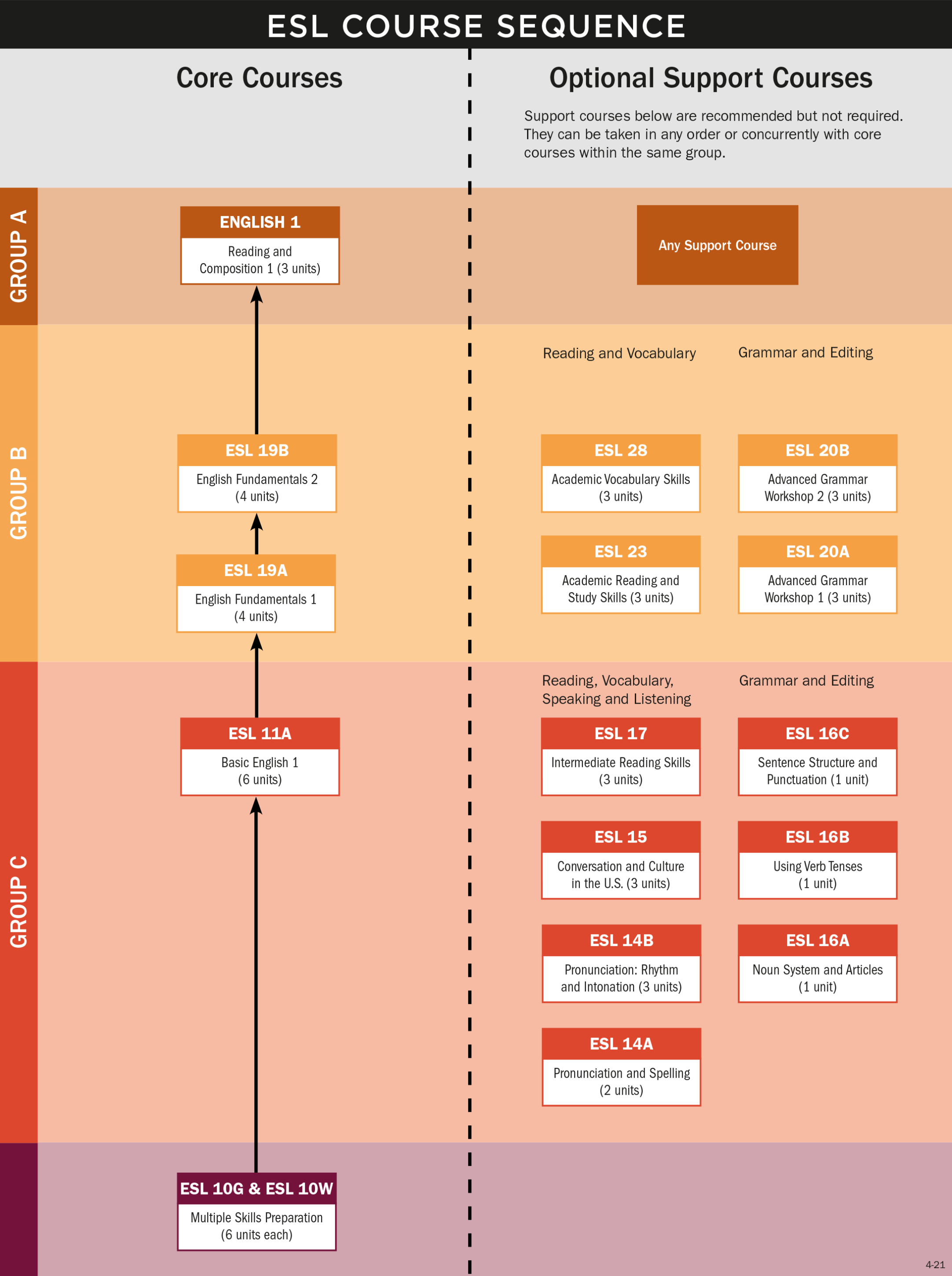
ESL Course Sequence Santa Monica College
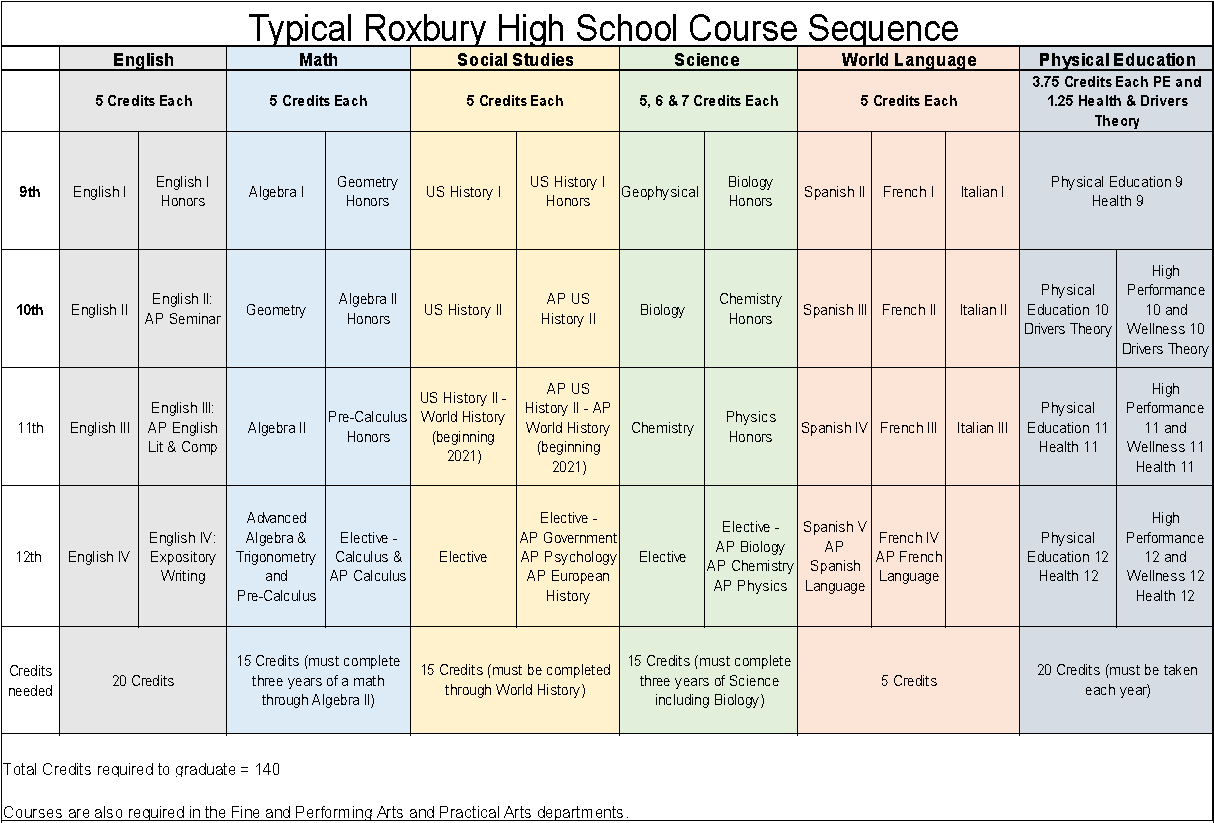
Program of Studies / Typical Course Sequence
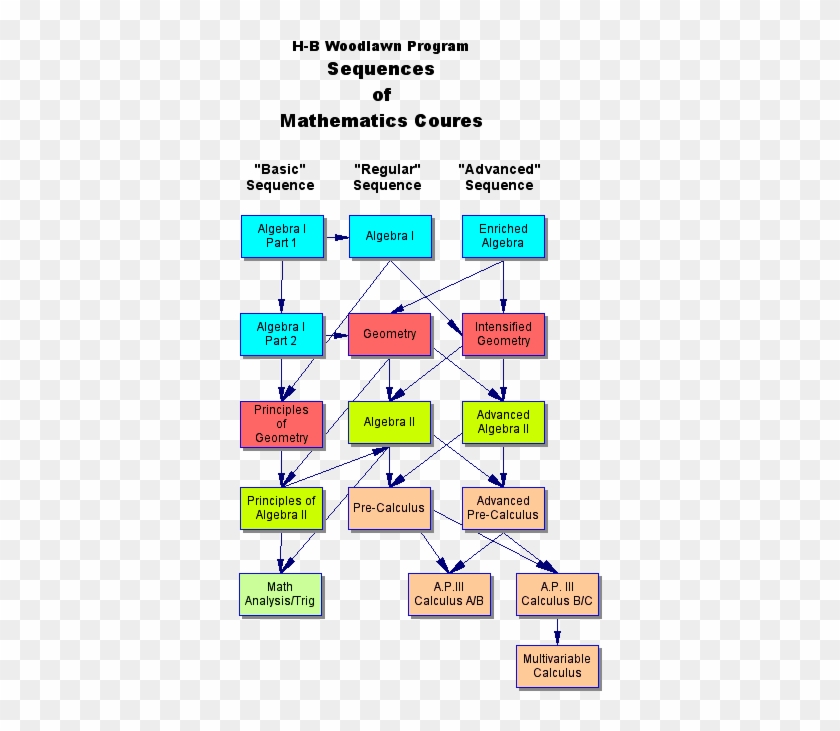
Math Sequence Of Courses High School Math Course Sequence Free
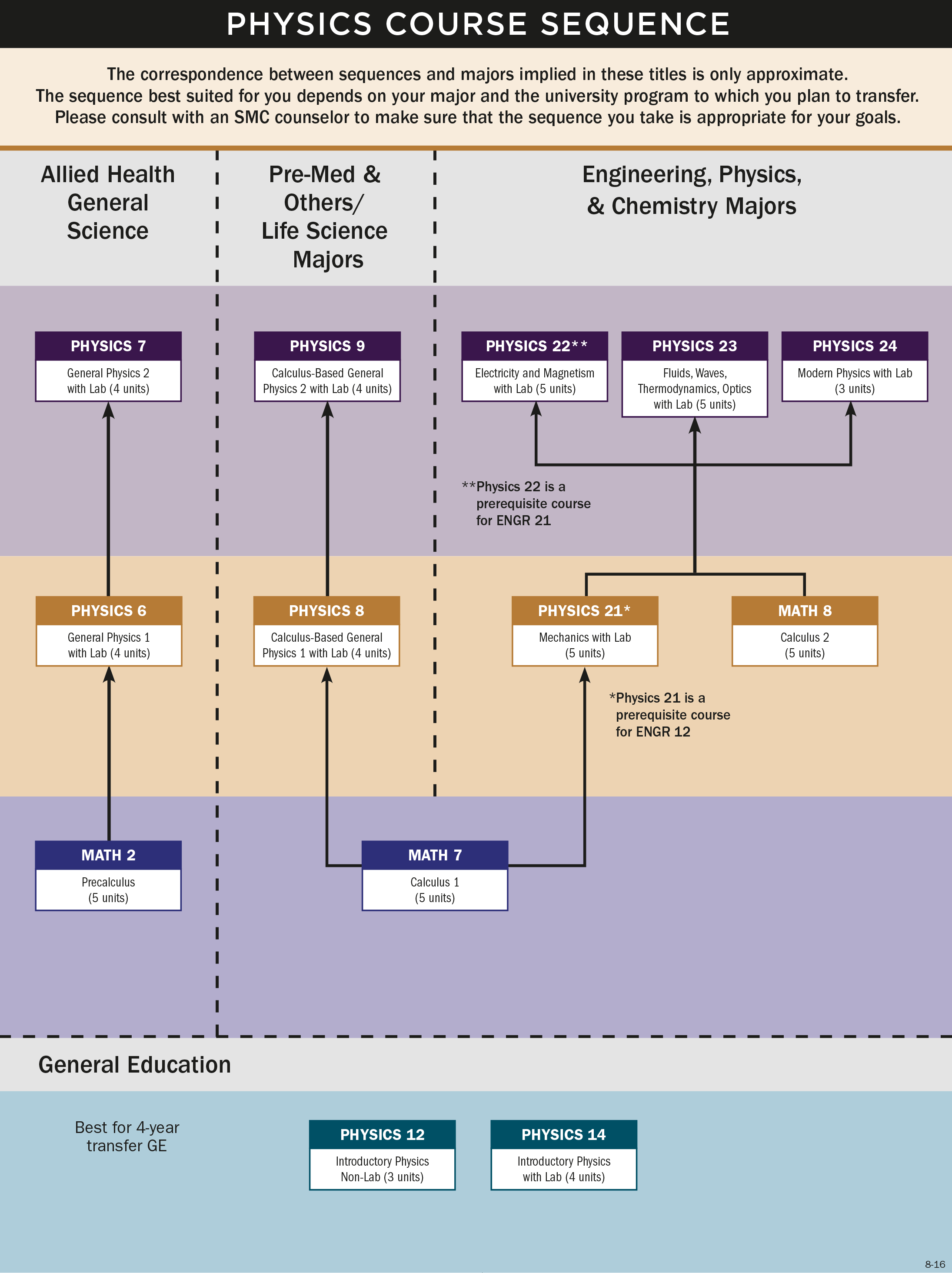
Physics Course Sequence Santa Monica College

sequence of courses PPT

Standard Course Sequence Brac University

CTE Course Sequence Career Technical Education Serrano High School
Curriculum Sequencing Refers To The Intentional Organization And Order Of Instructional Content Within A Curriculum.
The Scope And Sequence Articulates How The High School Program Is Organized In Bundles Of Performance Expectations Used To Design A Target Unit, How The.
Instructional Sequencing Ensures That Learners Progress.
Your Scope And Sequence Is A Course Map That Identifies What Concepts And Skills Students Will Learn And When.
Related Post: