
Purdue Astronomy Courses
Purdue Astronomy Courses - College of science prospective student; Planetary sciences is a multidisciplinary study of planetary dynamics and includes course work in planetary geology, planetary atmospheres, planetary physics, spacecraft design and operation, and astronomy with elective options in astrobiology, impact cratering, and related topics with which to focus their study. Topics to be covered include the processes responsible for the origin and evolution of the solar system, a physical and chemical description of solar system objects (sun, planets, asteroids, comets, and meteorites), interactions between these objects, and the evolution of planetary surfaces and atmospheres. The purdue course catalog bulletin lets you search for every class and course for every major offered at the west lafayette/indianapolis campus. Degrees with a wide variety of specializations. (phys 562) this course provides an overview of important physical processes in a variety of astronomical settings and of the experimental techniques employed in the field of high energy astrophysics. Beyond introductory physics, extensive variety of courses are offered in the major areas of classical mechanics, electricity and magnetism, waves and optics, quantum mechanics, thermal and statistical physics, modern physics and relativity. Beyond introductory physics, extensive variety of courses are offered in the major areas of classical mechanics, electricity and magnetism, waves and optics, quantum mechanics, thermal and statistical physics, modern physics and relativity. The department of physics and astronomy has educational programs leading to b.s., m.s., and ph.d. Neutron stars and black holes; Biomedical engineering applies principles and methods of engineering and life sciences to design solutions for human biology and medicine. Below is a list of recommended electives for physics and astronomy majors and minors. Course title instructor email(s) astr264: We also have undergraduate minors in both astronomy and physics. Degrees with a wide variety of specializations. The department of physics and astronomy has a rich and long history dating back to the latter part of the 19 th century. Planetary sciences is a multidisciplinary study of planetary dynamics and includes course work in planetary geology, planetary atmospheres, planetary physics, spacecraft design and operation, and astronomy with elective options in astrobiology, impact cratering, and related topics with which to focus their study. Purdue catalog entry | class times | exam schedules. Introduction to high energy astrophysics:. Topics to be covered include the processes responsible for the origin and evolution of the solar system, a physical and chemical description of solar system objects (sun, planets, asteroids, comets, and meteorites), interactions between these objects, and the evolution of planetary surfaces and atmospheres. The department of physics and astronomy has a rich and long history dating back to the latter part of the 19 th century. Topics include properties of stars; Beyond introductory physics, extensive variety of courses are offered in the major areas of classical mechanics, electricity and magnetism, waves and optics, quantum mechanics, thermal and statistical physics, modern physics and relativity.. Our graduate program offers both m.s. Beyond introductory physics, extensive variety of courses are offered in the major areas of classical mechanics, electricity and magnetism, waves and optics, quantum mechanics, thermal and statistical physics, modern physics and relativity. (phys 562) this course provides an overview of important physical processes in a variety of astronomical settings and of the experimental techniques. Topics include properties of stars; From purdue department of physics and astronomy: The department of physics and astronomy has educational programs leading to b.s., m.s., and ph.d. Beyond introductory physics, extensive variety of courses are offered in the major areas of classical mechanics, electricity and magnetism, waves and optics, quantum mechanics, thermal and statistical physics, modern physics and relativity. The. The department of physics and astronomy has a rich and long history dating back to the latter part of the 19 th century. Topics include properties of stars; Biomedical engineering applies principles and methods of engineering and life sciences to design solutions for human biology and medicine. Our faculty and students are exploring nature at all length scales, from the. Our department has undergraduate programs in physics, honors physics, applied physics, applied honors physics, and physics teaching. Introduction to high energy astrophysics:. Below is a list of recommended electives for physics and astronomy majors and minors. What i hope you will draw from this course is an understanding of how the beauty of mathematics and physics can be applied to. Our graduate program offers both m.s. We also have undergraduate minors in both astronomy and physics. Beyond introductory physics, extensive variety of courses are offered in the major areas of classical mechanics, electricity and magnetism, waves and optics, quantum mechanics, thermal and statistical physics, modern physics and relativity. What i hope you will draw from this course is an understanding. Cosmological red shift and the big. Degrees with a wide variety of specializations. The department of physics and astronomy has a rich and long history dating back to the latter part of the 19 th century. Course title instructor email(s) astr264: Below is a list of recommended electives for physics and astronomy majors and minors. Planetary sciences is a multidisciplinary study of planetary dynamics and includes course work in planetary geology, planetary atmospheres, planetary physics, spacecraft design and operation, and astronomy with elective options in astrobiology, impact cratering, and related topics with which to focus their study. Degrees with a wide variety of specializations. Graduate status or phys 342 or phys 344 view additional prerequisites. Below is a list of recommended electives for physics and astronomy majors and minors. Degrees with a wide variety of specializations. We also have undergraduate minors in both astronomy and physics. Planetary sciences is a multidisciplinary study of planetary dynamics and includes course work in planetary geology, planetary atmospheres, planetary physics, spacecraft design and operation, and astronomy with elective options. Topics to be covered include the processes responsible for the origin and evolution of the solar system, a physical and chemical description of solar system objects (sun, planets, asteroids, comets, and meteorites), interactions between these objects, and the evolution of planetary surfaces and atmospheres. Degrees with a wide variety of specializations. What i hope you will draw from this course. Degrees with a wide variety of specializations. Current (spring 2025) | upcoming (fall 2015) | fall 2014 | summer 2014 | spring 2014 | all courses spring 2025 Planetary sciences is a multidisciplinary study of planetary dynamics and includes course work in planetary geology, planetary atmospheres, planetary physics, spacecraft design and operation, and astronomy with elective options in astrobiology, impact cratering, and related topics with which to focus their study. The purdue course catalog bulletin lets you search for every class and course for every major offered at the west lafayette/indianapolis campus. To get the most current information on courses, please consult the purdue university course catalog. Beyond introductory physics, extensive variety of courses are offered in the major areas of classical mechanics, electricity and magnetism, waves and optics, quantum mechanics, thermal and statistical physics, modern physics and relativity. We also have undergraduate minors in both astronomy and physics. Planetary sciences is a multidisciplinary study of planetary dynamics and includes course work in planetary geology, planetary atmospheres, planetary physics, spacecraft design and operation, and astronomy with elective options in astrobiology, impact cratering, and related topics with which to focus their study. Our department has undergraduate programs in physics, honors physics, applied physics, applied honors physics, and physics teaching. Below is a list of recommended electives for physics and astronomy majors and minors. Beyond introductory physics, extensive variety of courses are offered in the major areas of classical mechanics, electricity and magnetism, waves and optics, quantum mechanics, thermal and statistical physics, modern physics and relativity. Red giants and white dwarfs, novae and supernovae; Our graduate program offers both m.s. Cosmological red shift and the big. Graduate status or phys 342 or phys 344 view additional prerequisites College of science prospective student;
Flying among the stars Purdue University professor using virtual
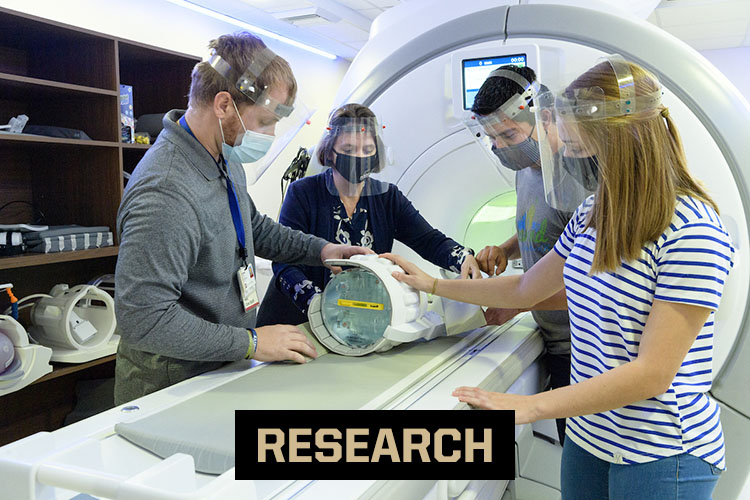
Department of Physics and Astronomy Purdue University

Department of Earth, Atmospheric, and Sciences Purdue
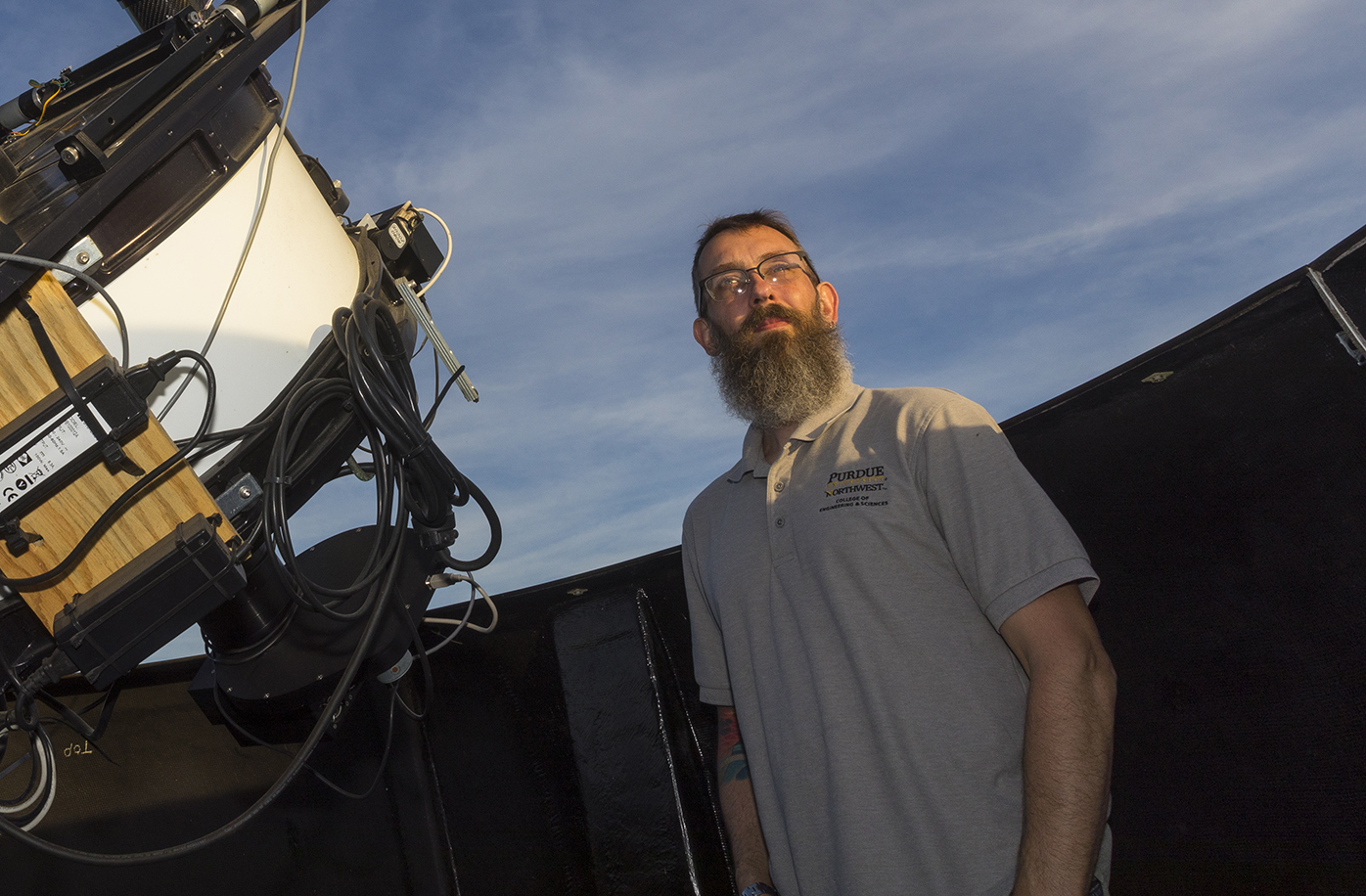
Observing the Universe Purdue University Northwest
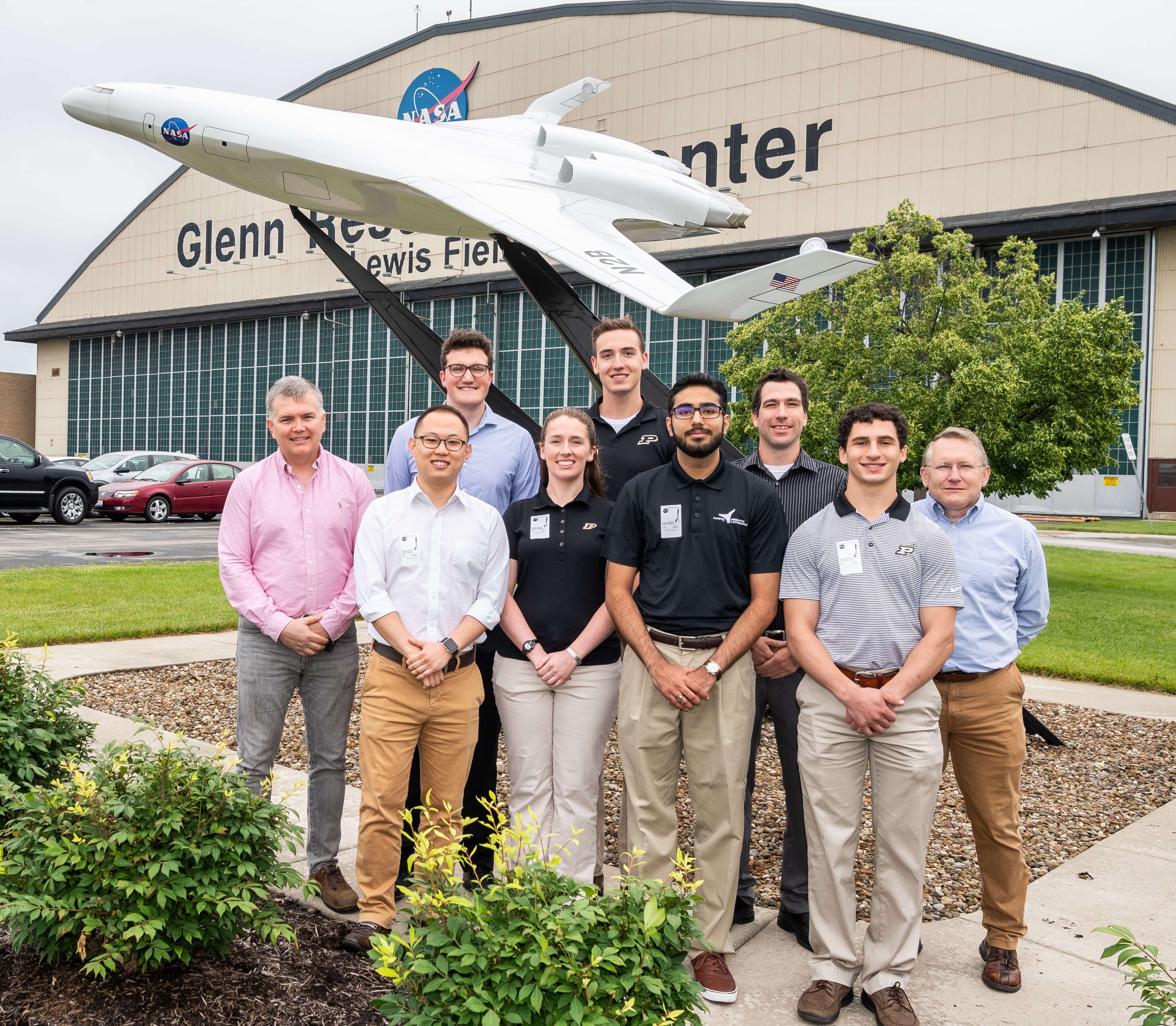
Purdue group presents awardwinning design project at NASA Glenn
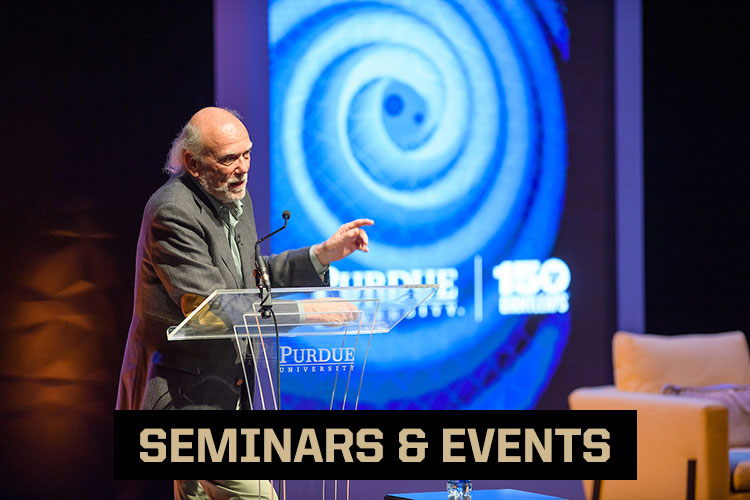
Department of Physics and Astronomy Purdue University
Purdue Physics and Astronomy on LinkedIn An excellent opportunity!

9 Best Free Astronomy Courses for 2025 — Class Central
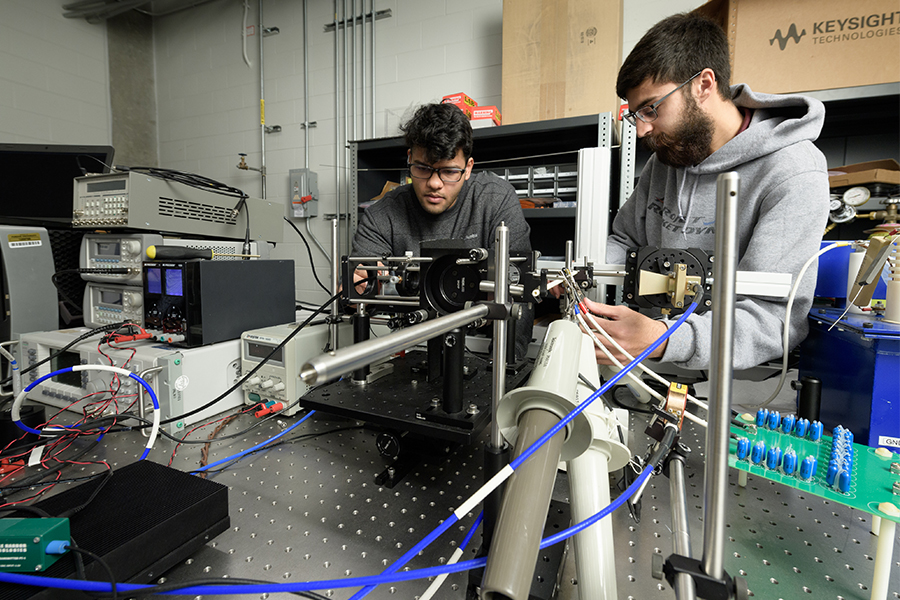
Gambaro Graduate Program of Aeronautics and Astronautics ranked No. 6
Core Areas School of Aeronautics and Astronautics Purdue University
The Department Of Physics And Astronomy Has A Rich And Long History Dating Back To The Latter Part Of The 19 Th Century.
Neutron Stars And Black Holes;
The Department Of Physics And Astronomy Has Educational Programs Leading To B.s., M.s., And Ph.d.
Course Title Instructor Email(S) Astr264:
Related Post:

